


Introduction
In the modern digital environment the question What is a firewall? is no longer limited to technical discussions inside data centers. It has become a national level concern corporate priority and individual necessity. Every connected device every enterprise network and every government infrastructure depends on controlled data flow. Without structured network control exposure to cyber threats increases dramatically.
Understanding What is a firewall? Definition and its explanation . is fundamental for students IT professionals policymakers and digital users. A firewall is not merely a protective tool. It represents a structured security framework that determines how information enters and exits a network. In an age where cyber attacks are sophisticated and persistent the role of a firewall defines the stability and integrity of digital ecosystems.
This article provides a detailed and analytical discussion covering What is a firewall in networking and examining its strategic importance including the recent case of Pakistan permanently shutdowns social media firewall after 40 billion loss.this controversial system launched in 2024. The analysis will also address how Pakistan national internet firewall became a costly technical. challenge for the country.
What is a firewall? Definition and its explanation .
To understand What is a firewall? Definition and its types. one must begin with the core concept of controlled network boundaries.
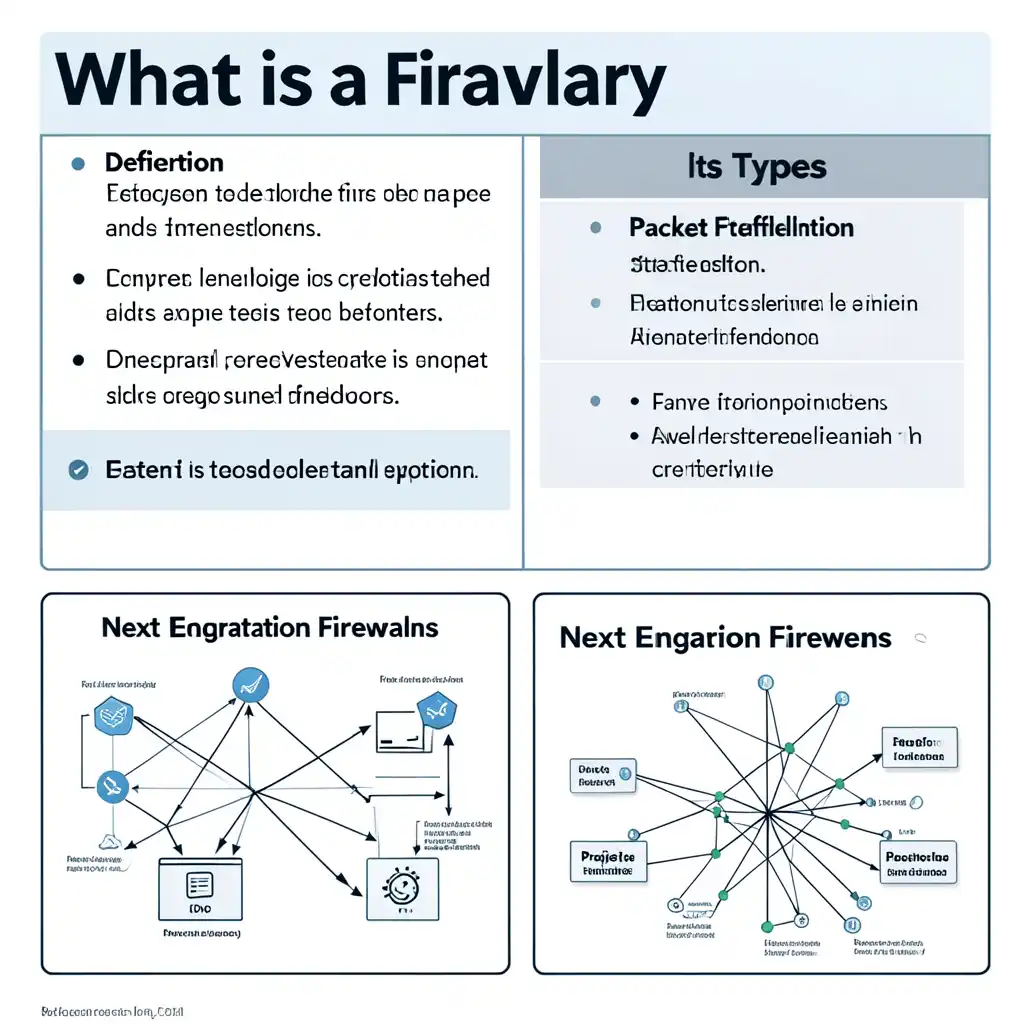
A firewall is a critical network security system that monitors, filters, and controls incoming and outgoing traffic between trusted internal networks and untrusted external networks like the internet based on set security rules. Acting as a gatekeeper it protects data by blocking unauthorized access and preventing malicious activity existing as either software hardware or cloud based solutions.
This definition clarifies that a firewall does not simply block threats. It enforces policy. It defines trust boundaries. It ensures that only approved traffic can move across network segments.
When examining What is a firewall? Definition and its explanation . in depth it becomes clear that firewalls are rule driven systems. These rules are configured according to organizational requirements. Every packet of data entering or leaving the network is evaluated against predefined conditions. If the traffic matches allowed rules it proceeds. If it violates rules it is blocked.
Without such filtering mechanisms networks remain exposed to unauthorized access data theft and malware infiltration.
What is a firewall in networking
The concept of What is a firewall in networking expands beyond simple filtering. In networking a firewall operates as a control layer between different network zones.
In a typical network structure there are internal trusted zones and external untrusted zones. The firewall sits between these zones. It inspects data packets based on IP addresses ports and protocols. This inspection ensures that only legitimate communication flows through the network.
Firewalls can be deployed in two primary ways.
Host based deployment where the firewall is installed on individual devices.
Network based deployment where the firewall protects an entire network segment often implemented through dedicated hardware appliances.
This structural placement makes the firewall a foundational component of cybersecurity architecture.

Key Aspects of Firewalls
A deep understanding of What is a firewall? Definition and its types. requires examining its operational characteristics.
Functionality
Firewalls operate by inspecting data packets and comparing them against predefined rules including IP addresses ports and protocols to determine whether they should be allowed or blocked. This process ensures structured traffic governance.
Types
Packet Filtering Firewalls
These inspect individual packets based strictly on rule sets. They are efficient but limited in contextual awareness.
Stateful Inspection Firewalls
These monitor the state of active connections making them more intelligent than simple packet filters. They track session information and provide stronger security control.
Next Generation Firewalls NGFW
These advanced systems offer deep packet inspection application awareness and intrusion prevention capabilities. They integrate multiple security layers.
Proxy Firewalls
These filter traffic at the application layer providing isolation between users and external networks.
Deployment
Firewalls can be host based protecting individual devices or network based protecting entire infrastructures. Cloud based deployment models are increasingly adopted in modern environments.
Importance
Without a firewall devices are vulnerable to unauthorized access and potential malware. Proper configuration is essential to prevent data leaks cyberattacks and network compromise.
Organizations including cybersecurity firms such as Kaspersky emphasize that firewall configuration and continuous monitoring are critical for maintaining secure digital environments.
Pakistan permanently shutdowns social media firewall after 40 billion loss.this controversial system launched in 2024.
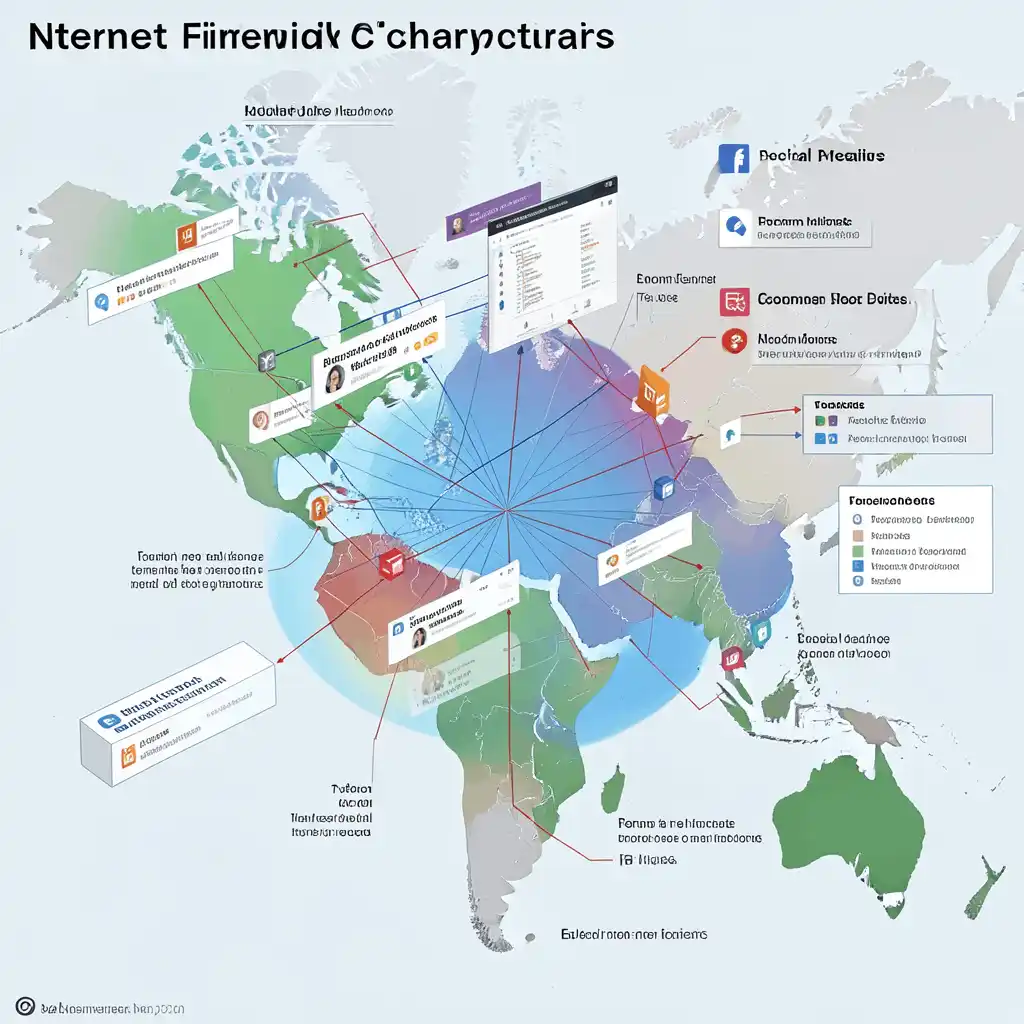
The discussion of What is a firewall? must also include its implementation at a national scale. A significant example emerged when Pakistan permanently shutdowns social media firewall after 40 billion loss.this controversial system launched in 2024.
The objective behind the social media firewall was to regulate online platforms manage digital content and strengthen national digital oversight. However economic consequences became severe. Businesses dependent on digital marketing freelancers operating on global platforms and e commerce enterprises faced disruption.
The estimated loss of 40 billion highlighted the economic risk associated with large scale network control systems. When firewall deployment affects traffic speed platform accessibility and digital services the broader economy experiences measurable impact.
This event transformed the technical discussion of What is a firewall in networking into a policy and economic debate.
Pakistan national internet firewall became a costly technical.
The case evolved further when Pakistan national internet firewall became a costly technical. burden. Implementation challenges included latency issues routing inefficiencies and compatibility conflicts with international platforms.
Large scale firewall systems require advanced infrastructure deep traffic inspection capabilities and high bandwidth processing capacity. When technical planning is insufficient system performance degrades. Digital services slow down. User experience deteriorates. International business confidence declines.
The economic and technical strain demonstrated that firewall deployment at a national level demands precision expertise and balanced governance.
The lesson is clear. A firewall is powerful but improper implementation creates systemic risk.
Strategic Importance of Firewalls in Modern Security
Understanding What is a firewall? Definition and its explanation . reveals its broader strategic role.
Firewalls enforce compliance frameworks.
They support data protection policies.
They enable segmentation of sensitive environments.
They create layered defense strategies.
In corporate environments firewalls prevent internal breaches from spreading across networks. In governmental systems they protect critical infrastructure. In individual devices they block malicious intrusion attempts.
However strategic success depends on accurate configuration continuous monitoring and balanced policy enforcement.
Conclusion
The question What is a firewall? extends far beyond technical vocabulary. A firewall is a structured security system that defines trust boundaries protects digital assets and enforces network governance. Through packet filtering stateful inspection next generation systems and proxy models firewalls serve as the foundation of network defense.
At the same time the case where Pakistan permanently shutdowns social media firewall after 40 billion loss.this controversial system launched in 2024. demonstrates that firewall implementation at a national scale requires strategic balance. When Pakistan national internet firewall became a costly technical. challenge it underscored that technology without economic foresight can create unintended consequences.
Understanding What is a firewall in networking is therefore both a technical necessity and a policy consideration. Proper design proper configuration and responsible deployment determine whether a firewall becomes a protective shield or a restrictive barrier.
Firewalls remain indispensable in modern cybersecurity architecture. Their power lies not only in blocking threats but in intelligently shaping secure digital ecosystems.
Control is rarely loud. It is designed to feel normal.
If this perspective unsettled you, that means awareness has begun.
Clarity demands transparency, which is why our Privacy Policy is open for review.
For serious discussion or professional consultation, connect through the Contact Page, Email, Gravatar, or WhatsApp.
Some questions deserve more than silence.





This was actually very informative. I never thought firewall implementation at a national level could impact the economy like that.
Good Explanation. The connection between technical configuration and real world consequences make this article interesting.
I liked how you explained firewalls beyond just the basic definition. it gives a clear picture of their strategic role.
The part about performance degradation due to poor planning really stood out. Security decisions definitely need proper foresight.
Simple yet deep explanation. It shows that cybersecurity is not just about blocking threats but managing systems wisely.
The real world example added strong context to the discussion. It makes the topic feel practical rather than theoretical.
This article highlights that technology alone is not enough. Planning and governance matter just as much.