

WordPress developer protection system is no longer an optional idea. It is becoming a necessity for anyone working with clients and developers in the modern digital economy. WordPress powers a large portion of the internet, yet it does not provide a built in structure that protects both parties during a service transaction. This gap creates serious risks. Developers complete work and remain unpaid. Clients pay in advance and fear losing control or receiving incomplete results.
This imbalance is not theoretical. It is happening daily. New developers struggle to gain trust. Clients hesitate to pay even a small advance. Freelance platforms attempt to solve this problem but introduce their own limitations. Rankings are slow. Visibility is restricted. Disputes often end unfairly. The result is a broken workflow where both sides operate under uncertainty.
WordPress developer protection system must evolve into a structured solution that removes blind trust and replaces it with controlled access, verifiable actions, and system driven accountability.
Understanding the Problem
The root problem begins with trust. A developer presents a portfolio, shares previous work, and provides references. Despite this, many clients still question authenticity. They cannot verify whether the developer truly owns the work shown. This leads to hesitation and delays.
The second issue is advance payment resistance. Clients fear that once payment is made, the developer may disappear or deliver low quality work. As a result, they avoid paying even a small upfront amount. Developers are then forced into risky agreements where they work without security.
The third issue appears when both sides move to freelance platforms. These platforms promise protection but create a new barrier for beginners. New developers struggle to get initial projects due to lack of reviews. Without projects they cannot gain reviews, and without reviews they cannot get projects. This cycle delays growth.
Even when a project begins, small misunderstandings can escalate into major conflicts. A client may cancel an order due to confusion, unrealistic expectations, or personal error. The platform may still side with the client. The developer loses time, effort, and ranking. This creates fear and hesitation in accepting future work.
These patterns show that the current system lacks structured protection at the core level.
The Hidden Risk for Developers
Developers face a silent but dangerous risk. They invest time, skill, and effort into a project without guaranteed payment. Once the work is delivered, the client gains access and may cancel the agreement. The developer cannot reclaim the work easily. The damage is not only financial but also reputational.
Profile ranking drops. Future opportunities decrease. Confidence is affected. Over time, developers either leave the platform or start avoiding new clients. This reduces innovation and slows down growth in the ecosystem.


The Hidden Risk for Clients
Clients also face real risks. They may pay an advance and receive incomplete work. They may not understand the technical process and assume the developer is delaying intentionally. They may not know how to evaluate progress. This creates confusion and distrust.
In some cases, clients give full administrative access too early. If the developer is unreliable, the entire website can be compromised. Data can be lost. The website can be damaged. Recovery becomes costly and time consuming.
This shows that both sides are vulnerable, just in different ways.



Key Concepts of the Solution
WordPress developer protection system must be built on structured control.
The first concept is controlled authority. No party should receive full control without meeting defined conditions.
The second concept is payment linked access. Administrative power must be connected with payment confirmation.
The third concept is structured communication. Disputes should follow a guided process instead of immediate cancellation.
The fourth concept is work protection. Developers must have the ability to secure their work until agreements are fulfilled.
The fifth concept is accountability tracking. Every action must be recorded and verifiable.
Technical Explanation of the System
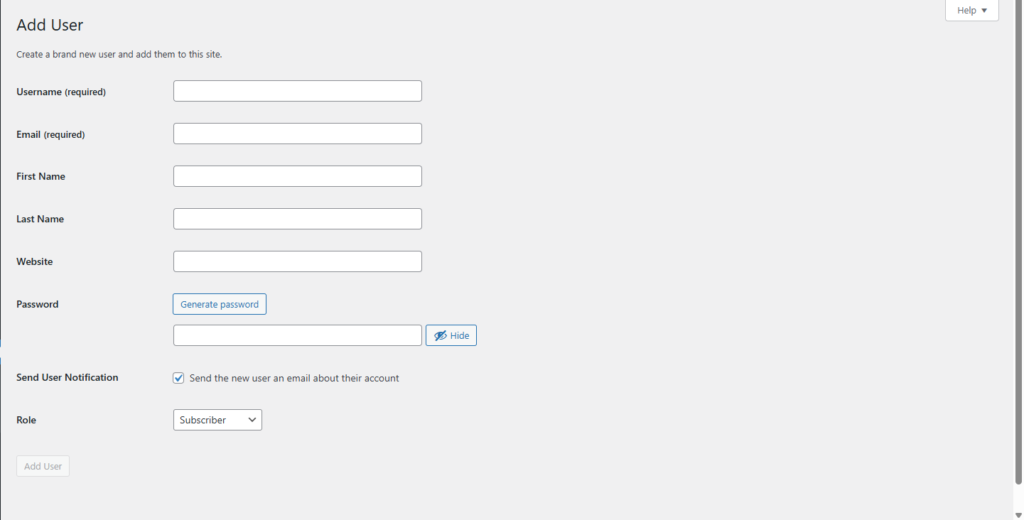
The system introduces a new role called Developer Administrator.
This role is assigned when a project begins. Unlike standard roles, it cannot be removed by the client during the development phase. This ensures that the developer retains control over the work environment.
A structured field called Paid status is introduced. This field contains two values yes or no. When the developer marks yes, the system upgrades the client to full administrator access. Only at this stage can the client remove the developer or take complete control.
If the status remains no, the client cannot override the developer’s role. This prevents situations where work is taken without payment.
Another field called Meeting status is added. This field confirms whether both parties have discussed and attempted to resolve issues. If a dispute occurs, the system can restrict actions until a meeting is completed.
A third layer introduces a Senior Developer role. This role acts as a neutral reviewer. In complex disputes, this role evaluates both sides and provides a final direction.
A watermark control system is also integrated. During development, the website displays a controlled watermark. This watermark is removed only after payment confirmation. It acts as both protection and visual accountability.
Practical Applications
This system changes how real projects are handled.
A developer can start work without fear because control remains protected. A client can monitor progress without risking full access. Payment becomes a structured step instead of a negotiation conflict.
Local clients who hesitate to trust developers can rely on system based assurance. They do not need to depend only on promises or portfolios.
Developers can reduce dependency on freelance platforms and work directly with clients through WordPress while maintaining security.
Freelance Platforms and Trust Systems
While the WordPress developer protection system provides a structured solution, many developers and clients still rely on external freelance platforms to manage trust, payments, and project delivery. These platforms act as intermediaries, offering built in systems for dispute handling, escrow payments, and user verification.
Below are some of the most widely used freelance platforms where developers and clients interact:
- Upwork
https://www.upwork.com
A global freelancing platform that offers escrow based payments, client verification, and structured dispute resolution systems. - Fiverr
https://www.fiverr.com
A service based marketplace where freelancers offer predefined packages, making it easier for clients to purchase services with clear expectations. - Freelancer.com
https://www.freelancer.com
A bidding based platform where developers compete for projects, with milestone payments and arbitration systems. - PeoplePerHour
https://www.peopleperhour.com
A platform focused on hourly and project based work with integrated payment protection. - Toptal
https://www.toptal.com
A premium platform that connects clients with highly vetted developers and professionals. - Guru
https://www.guru.com
A platform offering flexible payment terms and workroom based collaboration.
These platforms provide a level of security, but they are not perfect. Issues such as unfair cancellations, ranking challenges for new developers, and platform biased dispute decisions still exist.
This is why integrating a built in protection system within WordPress can reduce dependency on third party platforms and create a more direct, transparent, and balanced working environment.
Benefits and Limitations
The system creates balance. Developers are protected from unpaid work. Clients are protected from incomplete delivery. Trust becomes system based rather than emotional.
It reduces disputes, improves workflow clarity, and increases long term collaboration.
However, the system requires technical implementation either through core development or a dedicated plugin. Some users may need time to understand the workflow. There may still be rare cases where manual resolution is required.
Despite this, the advantages clearly outweigh the limitations.
Strategic Importance
WordPress developer protection system has the potential to redefine digital service transactions. WordPress is not just a content platform. It can evolve into a secure service execution environment.
By introducing structured protection, WordPress can reduce reliance on external platforms and create a direct connection between clients and developers.
This shift can increase trust, improve efficiency, and strengthen the global freelance economy.
Conclusion
WordPress developer protection system is a critical step toward solving one of the most persistent problems in the digital services industry. Without structured protection, both developers and clients continue to face financial and operational risks.
By implementing controlled roles, payment linked access, structured communication, and work protection mechanisms, WordPress can create a balanced and secure ecosystem.
This is not just an improvement. It is a transformation. A system where trust is not assumed but enforced through design.
The Need for WordPress Action and Community Input
WordPress developer protection system is no longer a conceptual discussion. It is a practical requirement that directly impacts how clients and developers interact in real world projects. The current ecosystem leaves both sides exposed to financial risk, trust issues, and operational uncertainty.
WordPress should actively consider introducing a structured protection mechanism or explore alternative solutions that improve security, accountability, and workflow transparency. Whether through core updates or an official plugin framework, the platform has the capability to redefine how digital service transactions are managed.
From a strategic perspective, implementing a system based on controlled roles, payment linked access, and structured dispute handling can significantly reduce conflicts and build long term trust. This approach can also strengthen the position of WordPress as not just a content management system, but a complete service execution environment.
This proposed model represents a balanced approach where both developers and clients remain protected without relying entirely on third party platforms. It ensures that work is secured, payments are justified, and communication is structured.
However, no system should be designed in isolation. It is essential that other developers, agencies, and clients also share their perspectives. Real world feedback can help refine the model, identify edge cases, and improve usability.
In my assessment, this approach provides a strong foundation for solving one of the most persistent challenges in the freelance and development industry. At the same time, alternative solutions should also be explored to ensure that the final implementation is both practical and scalable.
The future of secure digital collaboration depends on collective input, thoughtful design, and proactive action from platforms like WordPress.





No Comments