

Introduction
Hantavirus has become one of the most searched infectious diseases in 2026 as health authorities continue monitoring outbreaks while educating the public about the risks associated with rodent-borne viruses. Although the disease remains relatively rare compared to many other viral infections, its potentially severe complications and high fatality rate in certain cases make it an important public health concern. Recent international attention surrounding confirmed cases and outbreak investigations has encouraged millions of people to seek accurate information about how hantavirus spreads, what symptoms it causes, and most importantly, how it can be prevented.
One of the biggest misconceptions surrounding hantavirus is that it spreads in the same way as common respiratory viruses. This misunderstanding often leads to unnecessary panic or, even worse, a false sense of security. Unlike seasonal influenza or many respiratory infections, hantavirus is primarily associated with infected rodents and exposure to contaminated environments. Individuals cleaning garages, barns, abandoned buildings, cabins, warehouses, storage rooms, or any location where rodents have been active may unknowingly expose themselves to infectious particles if proper precautions are not taken.
The increasing popularity of outdoor recreation, rural tourism, farming activities, and abandoned property renovations has also increased public interest in understanding hantavirus risks. Homeowners, travelers, construction workers, pest control professionals, campers, and agricultural workers are among the groups that may encounter environments where infected rodents live. Knowing how to recognize these risks before exposure occurs can significantly reduce the chances of infection.
Medical researchers continue studying multiple hantavirus species that exist across different regions of the world. Some strains mainly affect the lungs and cause Hantavirus Cardiopulmonary Syndrome (HCPS), while others primarily damage the kidneys, leading to Hemorrhagic Fever with Renal Syndrome (HFRS). Although both conditions are caused by viruses belonging to the Orthohantavirus genus, they differ in geographical distribution, symptoms, severity, and clinical management. Understanding these differences is essential for both healthcare professionals and the general public.
This comprehensive guide explains everything you need to know about hantavirus in 2026. You will learn how the virus spreads, which symptoms require immediate medical attention, how doctors diagnose the infection, current treatment options, practical prevention strategies, global outbreak trends, common myths, and the latest recommendations issued by international public health organizations. Whether you are protecting your family, planning travel, or simply seeking reliable information, this guide is designed to provide scientifically accurate and practical knowledge in one place.
Understanding Hantavirus
Understanding hantavirus begins with recognizing that it is not a single virus but a diverse group of viruses belonging to the Orthohantavirus genus. These viruses naturally circulate among different rodent species throughout the world. Unlike many infectious diseases that rely on continuous human-to-human transmission, hantaviruses survive by infecting their natural rodent hosts, where they often cause little or no illness while remaining capable of infecting humans under specific environmental conditions.
The disease first gained worldwide recognition after outbreaks of severe respiratory illness revealed the devastating effects certain hantavirus strains could have on infected individuals. Since then, scientists have identified numerous hantavirus species distributed across North America, South America, Europe, and Asia. Each virus has evolved alongside particular rodent hosts, creating distinct geographical patterns of infection that public health authorities continue to monitor carefully.
One reason hantavirus attracts significant attention from infectious disease specialists is its relatively high mortality rate in severe cases. Although infections remain uncommon compared with influenza or COVID-19, patients who develop serious disease may experience rapid clinical deterioration. Early recognition of symptoms and immediate supportive medical care significantly improve patient outcomes, making awareness an important component of prevention.
The scientific understanding of hantavirus has also expanded considerably during the last three decades. Modern laboratory research has improved diagnostic testing, clarified transmission pathways, and identified viral proteins responsible for damaging blood vessels and triggering severe immune responses. These discoveries continue influencing international surveillance systems, vaccine research, and future treatment strategies.
What Is Hantavirus?
Hantavirus refers to a group of zoonotic viruses that belong to the Orthohantavirus genus within the Hantaviridae family. These viruses naturally infect rodents, which serve as their primary reservoirs. Humans become accidental hosts when they inhale virus particles released from contaminated rodent urine, saliva, or droppings.
Unlike bacteria, hantaviruses cannot reproduce independently. They invade living cells, hijack cellular machinery, and produce thousands of new viral particles before spreading throughout the body. Depending on the virus strain involved, infection may primarily affect the lungs, kidneys, or vascular system.
Scientists currently recognize dozens of hantavirus species worldwide. However, only some are known to cause serious disease in humans. Different regions are associated with different dominant strains, meaning the health risks vary depending on geographic location.
For example, the Sin Nombre virus is responsible for most HCPS cases reported in North America, while the Andes virus, primarily found in South America, has attracted particular scientific attention because limited human-to-human transmission has been documented under specific circumstances. In Europe and Asia, viruses such as Hantaan virus, Puumala virus, Seoul virus, and Dobrava-Belgrade virus are more commonly associated with HFRS.
Despite these regional differences, all medically significant hantaviruses share one important characteristic: they are closely linked to infected rodents and environmental exposure.
History and Discovery of Hantavirus
The scientific history of hantavirus stretches back several decades, although many infections likely occurred long before the virus itself was formally identified.
The first major recognition came during the Korean War in the early 1950s when thousands of United Nations soldiers developed a mysterious illness characterized by high fever, internal bleeding, and kidney failure. Researchers later identified the responsible virus near the Hantan River in South Korea, giving rise to the name Hantaan virus, from which the broader term Hantavirus originated.
Interest in hantaviruses expanded dramatically in 1993 after an unexplained outbreak of severe respiratory illness occurred in the Four Corners region of the United States, where Arizona, New Mexico, Colorado, and Utah meet. Previously healthy young adults rapidly developed respiratory failure, prompting an intensive public health investigation.
Scientists eventually identified a completely new hantavirus species, later named Sin Nombre virus, carried primarily by the deer mouse. This discovery fundamentally changed global understanding of hantavirus infections by revealing that some strains primarily attack the lungs rather than the kidneys.
Since then, advances in molecular biology have enabled researchers to identify numerous additional hantavirus species across multiple continents. International surveillance continues discovering new rodent hosts and viral variants, helping improve outbreak preparedness and disease prevention strategies.
Orthohantavirus Classification
From a scientific perspective, hantaviruses belong to the genus Orthohantavirus, part of the family Hantaviridae. This classification reflects genetic relationships among viruses rather than the diseases they produce.
Each Orthohantavirus species has evolved alongside a particular animal reservoir, most commonly rodents such as mice, rats, voles, or deer mice. Some newer research has also identified related viruses in shrews, moles, and bats, although rodents remain the primary source of human infections.
Understanding viral classification helps epidemiologists trace outbreaks, predict geographical spread, and develop laboratory tests capable of identifying individual virus species accurately.
Modern genomic sequencing has revealed substantial diversity within the Orthohantavirus genus, highlighting why different strains produce different clinical outcomes. While some primarily damage pulmonary tissues, others preferentially affect the kidneys or vascular system.
This genetic diversity remains one of the biggest challenges facing vaccine development because a single vaccine may not provide equal protection against every hantavirus species.
Major Types of Hantavirus
Although the term hantavirus is often used as though it describes a single disease, it actually represents a diverse group of viruses within the Orthohantavirus genus. Scientists have identified dozens of hantavirus species around the world, but only a limited number are known to cause serious illness in humans. Each virus has evolved alongside a specific rodent species that serves as its natural reservoir. This close ecological relationship explains why different regions of the world experience different forms of hantavirus disease. Understanding the major types of hantavirus is essential because each strain differs in its geographical distribution, rodent host, disease severity, and clinical presentation.
The majority of human infections occur after exposure to virus particles released into the environment by infected rodents. Unlike many infectious diseases, hantavirus does not circulate continuously among people. Instead, humans become accidental hosts when they come into contact with contaminated environments. This unique transmission cycle makes knowledge of individual hantavirus species particularly valuable for both public health authorities and individuals living or working in high risk environments.
Sin Nombre Virus
Among all hantavirus species identified in North America, Sin Nombre virus remains the most significant cause of Hantavirus Cardiopulmonary Syndrome (HCPS). The virus was first recognized during the famous Four Corners outbreak in the United States in 1993, where previously healthy adults suddenly developed severe respiratory failure. Intensive scientific investigations eventually traced the outbreak to infected deer mice living throughout the affected region.
The deer mouse serves as the primary reservoir for Sin Nombre virus and carries the virus without becoming seriously ill. Throughout its lifetime, the animal continuously sheds viral particles through urine, droppings, and saliva. When these materials dry inside enclosed buildings, tiny virus containing particles may become airborne during cleaning activities, creating an opportunity for human infection.
Most confirmed HCPS cases reported throughout the United States and parts of Canada continue to be linked to Sin Nombre virus. Although infections remain relatively uncommon, the disease can progress rapidly once respiratory symptoms begin. This has made Sin Nombre virus one of the most carefully monitored rodent borne viruses in North America.
Andes Virus
The Andes virus is primarily found in South American countries such as Argentina and Chile. While it shares many biological characteristics with other hantaviruses, it possesses one important feature that has attracted global scientific attention. Unlike most hantavirus species, Andes virus has demonstrated limited human to human transmission under specific circumstances.
Researchers believe prolonged close contact with an infected individual during the early stages of illness may allow transmission, although these events remain uncommon and are far less efficient than transmission seen with viruses such as influenza or COVID 19. Even so, this characteristic has led health authorities to apply additional monitoring and contact tracing measures whenever Andes virus outbreaks occur.
Like other hantaviruses, Andes virus normally circulates among wild rodents and reaches humans through environmental exposure. Public health experts continue studying the biological mechanisms responsible for its unusual transmission behavior, as understanding these differences may contribute to improved prevention strategies and future vaccine development.
Hantaan Virus
The Hantaan virus represents one of the earliest scientifically recognized hantaviruses and remains an important public health concern throughout East Asia. It was originally identified following thousands of unexplained illnesses among soldiers during the Korean War, where patients experienced high fever, internal bleeding, and severe kidney failure.
Unlike Sin Nombre virus, which primarily damages the lungs, Hantaan virus is strongly associated with Hemorrhagic Fever with Renal Syndrome (HFRS). The virus attacks blood vessels and kidney tissues, producing complications that often require hospitalization and intensive supportive care.
The striped field mouse acts as the natural reservoir for Hantaan virus. Human infections generally occur in rural farming areas where close contact with rodent contaminated environments is more likely. Seasonal agricultural activities can increase exposure as people work in fields where infected rodents are naturally abundant.
Seoul Virus
Unlike many hantavirus species that remain geographically restricted, Seoul virus has achieved an almost worldwide distribution because its primary host is the Norway rat. Since Norway rats inhabit major cities across the globe, Seoul virus has been detected in numerous countries including locations where other hantaviruses are rarely encountered.
Urban environments provide favorable conditions for Norway rats to thrive around buildings, sewer systems, food storage facilities, and transportation networks. As a result, Seoul virus infections have occasionally been reported in city residents, pet rat owners, laboratory animal facilities, and workers involved in rodent control.
Although Seoul virus generally produces milder disease than Hantaan virus, serious complications can still occur. Patients may develop fever, headache, abdominal pain, kidney dysfunction, and bleeding abnormalities. Early diagnosis remains important because supportive medical treatment significantly improves recovery.
Puumala Virus
Throughout Northern and Central Europe, Puumala virus is responsible for the majority of hantavirus infections. The virus naturally infects the bank vole, a small rodent commonly found within forests and rural landscapes across Scandinavia and other European countries.
Most Puumala virus infections produce a milder form of Hemorrhagic Fever with Renal Syndrome compared with infections caused by Hantaan virus. Nevertheless, patients often experience sudden fever, severe headache, muscle pain, blurred vision, nausea, and temporary kidney impairment. Hospitalization may still be necessary depending on symptom severity and hydration status.
Long term outcomes are generally favorable, with most patients making a full recovery following appropriate supportive care. Continued surveillance remains important because fluctuations in bank vole populations frequently influence the number of human cases reported each year.
How Hantavirus Spreads
Understanding how hantavirus spreads is one of the most important aspects of disease prevention. Many people incorrectly assume that hantavirus behaves like common respiratory viruses and spreads rapidly through coughing, sneezing, or casual social contact. Scientific evidence demonstrates that this assumption is incorrect for nearly all hantavirus species.
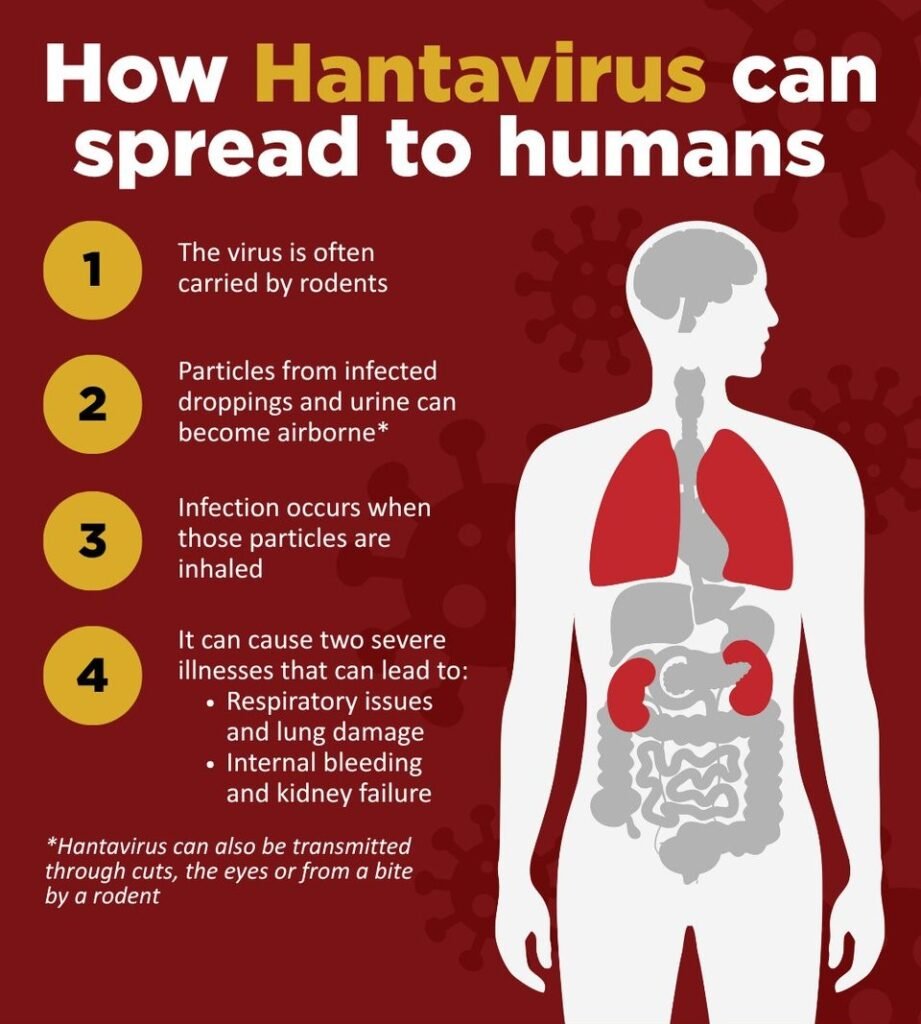
Instead, hantavirus transmission depends primarily on contact with environments contaminated by infected rodents. These rodents continuously release virus particles through urine, droppings, and saliva while remaining outwardly healthy themselves. As contaminated materials accumulate over time, enclosed spaces such as garages, barns, storage sheds, attics, crawl spaces, cabins, warehouses, and abandoned buildings become potential sources of infection.
When contaminated materials remain undisturbed, the virus generally stays confined within the environment. The greatest danger often arises when people unknowingly disturb rodent nests or dried droppings during cleaning or renovation activities. Sweeping, vacuuming, moving stored boxes, or handling nesting materials can release microscopic particles into the surrounding air. Once inhaled, these particles provide the virus with direct access to the respiratory tract where infection may begin.
This environmental transmission pathway explains why many patients cannot recall direct contact with rodents before becoming ill. Instead, they often remember cleaning an old garage, renovating an unused property, opening a vacation cabin after winter, removing attic insulation, clearing storage buildings, or cleaning areas where rodent activity had gone unnoticed for months.
Health authorities consistently emphasize that prevention should focus on reducing exposure to contaminated environments rather than avoiding contact with other people. Proper rodent control, safe cleaning practices, protective equipment, and public awareness remain the foundation of effective hantavirus prevention strategies.
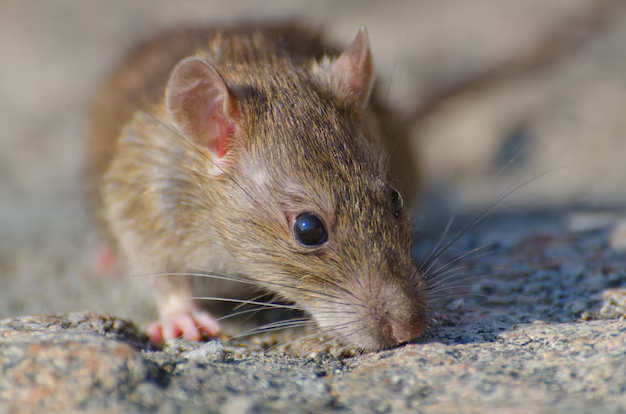
Rodent Reservoirs and Natural Hosts
Rodents play a central role in the global ecology of hantavirus. Each medically important hantavirus species has evolved alongside one or more specific rodent hosts that maintain the virus within natural ecosystems. Unlike humans, these animals usually experience little or no illness after infection, allowing them to carry and spread the virus throughout their lives.
Different regions of the world contain different rodent reservoirs. Deer mice dominate much of North America, striped field mice are associated with Hantaan virus in Asia, bank voles maintain Puumala virus throughout Europe, while Norway rats contribute to the worldwide distribution of Seoul virus. This close relationship between virus and host enables epidemiologists to predict where particular hantavirus strains are most likely to occur.
Rodents contaminate their surroundings during normal daily activities such as feeding, nesting, climbing, and searching for shelter. Over weeks or months, virus containing urine, saliva, and droppings accumulate inside enclosed buildings, particularly where human activity is limited. Because these materials often remain hidden behind stored objects, insulation, walls, ceilings, or flooring, contamination may go unnoticed until cleaning begins.
Understanding the ecology of rodent reservoirs highlights why long term prevention depends not only on medical care but also on environmental management. Effective rodent exclusion, proper food storage, elimination of nesting sites, waste control, and regular building maintenance all reduce opportunities for virus transmission by limiting contact between humans and infected rodent populations.
Airborne Transmission Through Contaminated Dust
One of the primary reasons hantavirus is considered dangerous is that infection can occur without a person ever seeing or touching a rodent. In most confirmed cases, exposure happens when virus particles become airborne after contaminated rodent urine, saliva, or droppings have dried. This is known as aerosol transmission and is recognized by health authorities as the most common route of human infection.
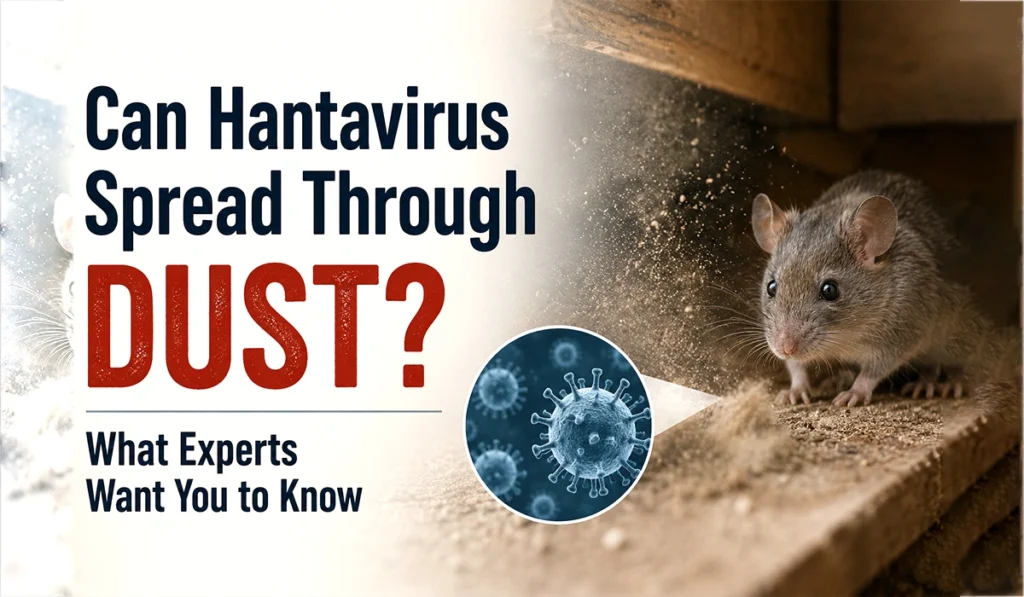
When rodent waste dries inside enclosed spaces, the virus may remain within microscopic dust particles. Activities such as sweeping floors, vacuuming, moving old furniture, cleaning storage rooms, opening cabins after several months, or disturbing rodent nests can release these particles into the surrounding air. Once inhaled, the virus enters the respiratory system where it begins infecting cells before symptoms become noticeable.
This explains why many patients report that they felt completely healthy while cleaning a garage, warehouse, attic, basement, farm building, or abandoned house. Days later they suddenly developed fever, muscle pain, fatigue, and respiratory symptoms without realizing the cleaning activity had exposed them to the virus.
The risk becomes significantly higher in enclosed areas that have poor ventilation and visible evidence of rodent activity. Buildings left unused for long periods often contain accumulated droppings and nesting materials, creating ideal conditions for airborne exposure when they are reopened.
For this reason, health authorities recommend never sweeping or vacuuming rodent droppings directly. Instead, contaminated areas should first be ventilated and disinfected using appropriate cleaning solutions before any material is carefully removed. These preventive measures greatly reduce the possibility of virus particles becoming airborne.
Direct Contact With Contaminated Surfaces
Although airborne exposure remains the most common transmission route, direct contact with contaminated materials can also result in infection under certain circumstances. Rodent urine, saliva, nesting material, and droppings may contaminate work surfaces, tools, storage containers, animal feed, furniture, or household objects. People handling these items without protective equipment may unknowingly transfer viral particles onto their hands.
The greatest concern arises when contaminated hands touch the eyes, nose, or mouth before they are properly washed. These sensitive mucous membranes provide another pathway through which the virus may enter the body. Individuals working in agriculture, construction, pest control, forestry, wildlife research, or warehouse management often experience greater environmental exposure because they regularly handle equipment stored in rodent inhabited areas.
Outdoor activities can also increase risk. Campers, hikers, hunters, and people sleeping in cabins or tents near rodent habitats may accidentally come into contact with contaminated surfaces if food is not properly stored or if rodents have entered the shelter during the night.
Simple hygiene practices remain among the most effective preventive measures. Wearing disposable gloves while cleaning contaminated areas, washing hands thoroughly with soap and water, disinfecting surfaces before handling them, and avoiding unnecessary contact with rodent waste significantly reduce the likelihood of infection.
Food and Water Contamination
Food contamination represents another important but often overlooked source of hantavirus exposure. Rodents searching for food frequently invade kitchens, storage rooms, grain facilities, livestock feed areas, and camping supplies. During these activities they may leave behind urine, droppings, or saliva that contaminate food packaging or drinking water.
Although documented infections through contaminated food are less common than airborne exposure, the possibility exists whenever food has been stored in locations accessible to infected rodents. Dry grains, cereals, animal feed, flour, and packaged foods can all become contaminated if rodents chew through containers or leave waste materials nearby.
People living in rural communities, farms, mountain cabins, or emergency shelters should inspect stored food carefully before consumption. Any product showing signs of rodent damage, bite marks, urine stains, or droppings should be discarded immediately. Drinking water from sources potentially contaminated by rodents should also be avoided unless it has been properly treated.
Maintaining clean food storage areas, sealing containers securely, disposing of waste promptly, and preventing rodent access remain essential strategies for reducing this form of environmental exposure.
Can Hantavirus Spread From Person to Person?
One of the most frequently searched questions online is whether hantavirus spreads from person to person. Fortunately, for the vast majority of hantavirus infections, the answer is no.
Scientific evidence collected over several decades shows that most hantavirus species, including Sin Nombre virus and Seoul virus, do not spread through casual contact with infected individuals. Family members, coworkers, healthcare professionals, and friends generally do not become infected simply by being near someone with the disease. Everyday activities such as shaking hands, sharing meals, speaking, or sitting in the same room are not considered transmission risks for these virus strains.
The primary exception is the Andes virus, found mainly in South America. Researchers have documented limited person to person transmission involving prolonged close contact with infected individuals. Even in these situations, transmission remains uncommon and has not demonstrated the widespread contagious behavior observed with respiratory viruses such as influenza or COVID 19.
Public health agencies continue monitoring Andes virus carefully because understanding its unique characteristics may improve future prevention strategies. Outside regions where Andes virus circulates, however, hantavirus prevention remains focused almost entirely on avoiding exposure to infected rodents rather than avoiding contact with sick individuals.
Environmental Risk Factors That Increase Exposure
The likelihood of hantavirus infection depends not only on the presence of infected rodents but also on environmental conditions that increase opportunities for exposure. Understanding these risk factors allows homeowners, travelers, workers, and public health officials to implement targeted prevention strategies before infection occurs.
Seasonal weather patterns frequently influence rodent populations. Years with abundant rainfall often produce increased vegetation, providing rodents with larger food supplies and allowing their populations to expand rapidly. As rodent numbers grow, so does the probability of human exposure.
Climate change may also influence future hantavirus distribution by altering rodent habitats, migration patterns, and breeding cycles. Scientists continue studying how changing environmental conditions could affect disease outbreaks in different parts of the world.
Occupational exposure represents another significant risk factor. Farmers, forestry workers, military personnel, pest control professionals, wildlife researchers, park rangers, construction workers, and maintenance crews routinely enter environments where rodent contamination may be present. Appropriate protective equipment and workplace safety procedures therefore play an essential role in reducing occupational infections.
Residential conditions can also contribute to increased exposure. Homes with structural gaps, poor sanitation, accumulated clutter, open food storage, and inadequate waste management provide ideal habitats for rodents. Regular property maintenance and rodent exclusion measures substantially reduce these risks over time.
The Scientific Transmission Cycle of Hantavirus
The transmission cycle of hantavirus begins within wild rodent populations rather than human communities. Infected rodents acquire the virus through interactions with other rodents and continue carrying it throughout their lives without developing severe illness. During normal daily activities they shed virus particles through urine, saliva, and feces, contaminating their surrounding environment.
Environmental contamination gradually accumulates inside rodent nests, food storage areas, abandoned buildings, barns, garages, warehouses, sheds, and rural structures. When humans later disturb these contaminated materials, virus containing particles may become airborne or contaminate hands, clothing, and equipment.
After entering the human body through inhalation or contact with mucous membranes, the virus begins replicating silently. The incubation period varies but generally lasts between one and eight weeks depending on the amount of virus exposure and individual immune response. During this period infected individuals usually experience no symptoms while the virus spreads throughout the body.
Eventually the immune system responds aggressively to the infection, leading to inflammation of blood vessels and damage to vital organs. Depending on the specific hantavirus species involved, this process may primarily affect the lungs, resulting in Hantavirus Cardiopulmonary Syndrome, or the kidneys, resulting in Hemorrhagic Fever with Renal Syndrome.
Understanding this transmission cycle demonstrates why prevention efforts must focus on controlling rodent exposure long before illness develops. Once symptoms appear, infection has already progressed considerably, making early prevention far more effective than treatment alone.
Common Real World Exposure Scenarios
Many confirmed hantavirus patients never realize they were at risk until investigators reconstruct their recent activities. Cleaning an old family cabin before summer, opening a storage shed after winter, renovating an abandoned building, clearing a barn, removing attic insulation, cleaning a garage filled with stored boxes, or working in grain storage facilities are among the most frequently reported exposure scenarios.
Campers who sleep in rodent infested shelters, hikers using abandoned cabins, farmers handling stored feed, and homeowners cleaning neglected basements also represent groups with increased exposure potential. Even simple household maintenance tasks may become hazardous if rodent infestations have gone unnoticed for extended periods.
These real world examples demonstrate that hantavirus infection is closely linked to environmental exposure rather than person to person interaction. Awareness of these situations allows individuals to adopt safe cleaning methods, wear appropriate protective equipment, improve rodent control, and reduce the likelihood of infection before exposure occurs.
Diagnosis of Hantavirus
Diagnosing hantavirus can be particularly challenging during the early stages of illness because the first symptoms closely resemble those of influenza, COVID 19, dengue, pneumonia, leptospirosis, and several other viral or bacterial infections. Fever, fatigue, headache, muscle pain, nausea, vomiting, and abdominal discomfort are common complaints that do not immediately point to hantavirus. As a result, healthcare providers rely not only on clinical symptoms but also on a detailed exposure history to determine whether further investigation is necessary.
One of the most important factors in diagnosis is identifying recent exposure to rodents or rodent contaminated environments. Physicians typically ask whether the patient has recently cleaned an abandoned building, opened a seasonal cabin, worked in a barn or warehouse, handled rodent nests, or visited areas where rodent activity was common. Even if the patient never saw a rodent directly, evidence of droppings, nesting material, or unusual dust exposure can provide valuable diagnostic clues.
The incubation period of hantavirus generally ranges from one to eight weeks depending on the virus strain, viral load, and individual immune response. Because symptoms often appear several weeks after exposure, many patients initially fail to connect their illness with a previous cleaning activity or outdoor trip. Careful questioning by experienced healthcare professionals is therefore essential.
Early recognition can significantly improve patient management. Although no specific antiviral medication is universally approved for all hantavirus infections, rapid diagnosis allows doctors to provide supportive care before severe complications develop. Patients diagnosed during the early phase have a better chance of receiving appropriate monitoring before respiratory or kidney failure occurs.
Healthcare providers also consider the patient’s geographic location because different hantavirus species are associated with different regions of the world. For example, respiratory illness following rodent exposure in North America may suggest HCPS, whereas similar exposure in parts of Europe or Asia may raise suspicion for HFRS. Regional epidemiology therefore plays an important role in the diagnostic process.


How Doctors Confirm Hantavirus Infection
Once physicians suspect hantavirus infection, laboratory testing becomes essential because symptoms alone cannot provide a definitive diagnosis. Modern diagnostic methods focus on detecting either the body’s immune response to the virus or identifying viral genetic material directly.
The most widely used laboratory tests are antibody based blood tests. After infection, the immune system produces Immunoglobulin M antibodies followed by Immunoglobulin G antibodies. Detecting these antibodies helps confirm recent or previous exposure to hantavirus. In many healthcare systems, antibody testing remains the primary diagnostic tool because it is reliable and widely available in specialized laboratories.
Polymerase Chain Reaction testing may also be performed during the early stage of infection. PCR detects fragments of viral RNA circulating in the patient’s blood before antibody production reaches detectable levels. Although PCR offers excellent accuracy during the acute phase, its usefulness decreases as viral levels decline later in the illness.
Routine laboratory investigations frequently reveal abnormalities that support the diagnosis. Many patients develop reduced platelet counts, elevated white blood cell counts, increased hematocrit due to plasma leakage, abnormal liver enzyme levels, and impaired kidney function. While these findings are not unique to hantavirus, they strengthen clinical suspicion when combined with compatible symptoms and exposure history.
Chest imaging also plays an important role for patients suspected of having Hantavirus Cardiopulmonary Syndrome. Chest X rays and computed tomography scans often reveal rapidly developing pulmonary edema caused by fluid accumulation inside the lungs. These imaging findings help physicians distinguish HCPS from ordinary bacterial pneumonia and guide intensive care management.
Patients with suspected Hemorrhagic Fever with Renal Syndrome undergo additional kidney function tests including serum creatinine measurements, blood urea nitrogen evaluation, electrolyte monitoring, and urine analysis. These investigations help determine the severity of renal involvement and identify patients who may require dialysis.
In countries where hantavirus is uncommon, physicians may initially investigate several other infectious diseases before considering hantavirus. This is why informing healthcare providers about recent rodent exposure, travel history, occupational risks, or cleaning activities can dramatically accelerate accurate diagnosis.
Treatment Options for Hantavirus
One of the most important facts every reader should understand is that there is currently no universally approved antiviral cure capable of eliminating hantavirus after infection. Medical treatment therefore focuses on supporting the body’s vital organs while the immune system fights the virus naturally.
Early hospitalization significantly improves the chances of successful recovery, particularly for patients developing HCPS. During the initial stage of illness, symptoms may appear relatively mild, but rapid deterioration can occur within hours as fluid begins accumulating inside the lungs. Continuous monitoring allows healthcare teams to recognize worsening respiratory function before life threatening complications develop.
Patients experiencing severe breathing difficulties frequently require supplemental oxygen therapy. If oxygen levels continue falling, mechanical ventilation may become necessary to maintain adequate oxygen delivery throughout the body. Intensive Care Units are specifically equipped to provide this level of respiratory support while closely monitoring cardiovascular stability.
For individuals with severe Hantavirus Cardiopulmonary Syndrome, some specialized medical centers may use Extracorporeal Membrane Oxygenation, commonly known as ECMO. This advanced life support technology temporarily performs the function of the heart and lungs, allowing damaged organs time to recover. Although ECMO is reserved for the most critical cases, it has improved survival among carefully selected patients.
Treatment for Hemorrhagic Fever with Renal Syndrome follows a different approach because kidney damage rather than respiratory failure becomes the primary concern. Doctors carefully manage fluid balance, monitor electrolyte levels, control blood pressure, and provide dialysis when kidney function declines significantly. Most patients gradually regain kidney function as inflammation resolves.
Pain management, fever reduction, nutritional support, intravenous fluids, and prevention of secondary infections all form important components of comprehensive supportive care. Healthcare providers carefully balance fluid administration because excessive intravenous fluids may worsen lung complications in HCPS while inadequate hydration may further impair kidney function in HFRS.
Researchers continue investigating antiviral medications, monoclonal antibodies, immune therapies, and vaccine candidates capable of improving future treatment outcomes. While several experimental approaches have shown promise in laboratory studies, no therapy has yet replaced supportive medical care as the international standard of treatment.


Recovery and Long Term Outlook
Recovery from hantavirus depends on several important factors including the virus species involved, the speed of diagnosis, access to intensive medical care, the patient’s age, and any underlying medical conditions. Individuals receiving prompt treatment generally experience significantly better outcomes than those whose illness progresses before hospitalization.
Patients surviving Hantavirus Cardiopulmonary Syndrome often require weeks or even months before regaining their previous energy levels. Fatigue remains one of the most frequently reported symptoms during recovery. Many individuals also experience reduced exercise tolerance while lung tissues gradually heal following severe inflammation.
Fortunately, lung function often improves substantially over time in patients who survive the critical phase of HCPS. Regular follow up appointments allow physicians to monitor respiratory recovery, evaluate oxygen levels, and ensure that no long term complications develop.
Recovery following Hemorrhagic Fever with Renal Syndrome also varies according to disease severity. Many patients regain normal kidney function completely, although some individuals require prolonged monitoring before laboratory values return to baseline. Severe kidney injury may occasionally result in longer recovery periods, particularly among older adults or patients with pre existing kidney disease.
Mental health recovery should not be overlooked. Experiencing admission to an Intensive Care Unit, mechanical ventilation, or prolonged hospitalization can have lasting psychological effects. Anxiety, depression, and post traumatic stress symptoms may occur following severe illness, making emotional support an important component of complete recovery.
Current scientific evidence indicates that individuals who recover from hantavirus infection generally develop immune protection against the specific virus strain responsible for their illness. However, because multiple hantavirus species exist globally, continued preventive measures remain essential, especially for people living or working in rodent prone environments.
Healthcare professionals emphasize that recovery does not eliminate the need for future prevention. Maintaining effective rodent control, following safe cleaning procedures, wearing appropriate protective equipment, and staying informed about regional public health guidance remain the most effective long term strategies for reducing future risk.
Hantavirus Prevention Strategies
Preventing hantavirus remains far easier and far more effective than treating severe disease after infection occurs. Since no universally approved cure exists, public health agencies including the CDC and WHO consistently emphasize prevention as the primary defense against both HCPS and HFRS.
The first step involves preventing rodents from entering homes, workplaces, farms, cabins, and storage buildings. Small openings around pipes, doors, windows, roofs, and foundations should be sealed because even tiny gaps allow mice and rats to enter buildings. Food should always be stored inside rodent resistant containers, household waste should be disposed of regularly, and clutter should be minimized to eliminate nesting locations.
Safe cleaning practices are equally important. People should never sweep or vacuum rodent droppings because these activities can release virus containing particles into the air. Instead, contaminated areas should first be ventilated by opening doors and windows for at least thirty minutes. The affected surfaces should then be thoroughly sprayed with an appropriate disinfectant solution before waste materials are carefully removed while wearing disposable gloves.
Individuals involved in cleaning heavily contaminated locations should consider wearing properly fitted respiratory protection and protective clothing. This is particularly important when cleaning barns, abandoned houses, warehouses, attics, garages, farm buildings, grain storage facilities, and seasonal cabins where rodent infestations may have gone unnoticed for extended periods.
Campers and travelers should also take precautions by avoiding sleeping directly on the ground in rodent infested areas, storing food securely, disposing of waste properly, and inspecting cabins or shelters for signs of rodent activity before use. Outdoor enthusiasts should never disturb rodent nests or handle wild rodents, whether alive or dead.
Communities also play a major role in prevention. Public education campaigns, improved sanitation, responsible waste management, environmental monitoring, and coordinated rodent control programs significantly reduce the overall risk of human exposure. The One Health approach recognizes that protecting human health also requires attention to wildlife ecology, environmental conditions, and public awareness.
For homeowners wondering how to prevent hantavirus in home 2026, the answer remains consistent with international health recommendations. Keep rodents out of living spaces, eliminate food sources, clean contaminated areas safely, wear appropriate protective equipment when necessary, and seek immediate medical attention if flu like symptoms develop after potential rodent exposure.


Global Hantavirus Outbreaks and the 2026 Situation
Hantavirus continues to be monitored closely by international public health agencies because outbreaks can emerge unexpectedly when environmental conditions favor rapid increases in rodent populations. Unlike viruses that spread directly between people, hantavirus outbreaks are closely linked to ecological changes. Weather patterns, food availability, deforestation, urban expansion, agricultural practices, and climate variations all influence rodent populations, which directly affects the likelihood of human exposure.
Throughout recent years, health authorities have observed that outbreaks often follow periods of increased rainfall or environmental changes that provide rodents with abundant food supplies. Larger rodent populations naturally result in greater environmental contamination through urine, saliva, and droppings, increasing the chance of human infection. Scientists continue to study these ecological relationships to improve early warning systems and strengthen outbreak preparedness.
The 2026 global situation demonstrates why continuous surveillance remains essential. Several countries continue reporting sporadic cases of HCPS and HFRS, while public health organizations maintain active monitoring programs to identify unusual increases in infections. International cooperation between healthcare systems, research institutions, wildlife experts, and environmental scientists has become increasingly important for detecting outbreaks early and limiting their impact.
Organizations such as the Centers for Disease Control and Prevention, the World Health Organization, and national health agencies regularly publish updated surveillance data, prevention recommendations, and clinical guidance for healthcare professionals. Their ongoing work supports faster diagnosis, improved outbreak investigations, and better public awareness regarding rodent borne diseases.
The growing emphasis on the One Health approach reflects the understanding that human health cannot be separated from animal health and environmental conditions. Effective hantavirus prevention requires coordinated action across multiple sectors, including public health, wildlife management, environmental conservation, agriculture, and community education.
As global travel continues to increase, awareness becomes even more important. Travelers visiting rural areas, national parks, mountain regions, farms, or remote cabins should understand local disease risks and follow recommended safety precautions. While the overall risk to most travelers remains low, informed preventive measures significantly reduce the possibility of exposure.


Who Is Most at Risk of Hantavirus Infection?
Although anyone exposed to infected rodents can develop hantavirus, certain occupations, activities, and living environments increase the likelihood of infection. Understanding these risk groups allows individuals to adopt targeted preventive measures before exposure occurs.
Homeowners cleaning garages, attics, basements, sheds, storage rooms, or vacation cabins after long periods of inactivity represent one of the largest risk groups. These enclosed spaces frequently accumulate rodent droppings and nesting materials that may become airborne during cleaning if proper precautions are not taken.
Agricultural workers also experience elevated exposure because rodents commonly inhabit barns, grain storage facilities, livestock buildings, and crop fields. Daily interaction with these environments increases opportunities for contact with contaminated dust and surfaces.
Construction workers, demolition crews, maintenance personnel, electricians, plumbers, and renovation specialists often enter abandoned or neglected buildings where rodent infestations have remained undisturbed for extended periods. Before beginning renovation work, these locations should be carefully inspected for signs of rodent activity and cleaned using recommended safety procedures.
Outdoor enthusiasts including campers, hikers, hunters, park rangers, forestry workers, and wildlife researchers may also encounter environments where infected rodents are present. Sleeping inside poorly maintained cabins, handling camping equipment contaminated by rodents, or disturbing natural nesting areas can increase exposure risks.
Laboratory personnel working with rodents, pest control professionals, sanitation workers, and warehouse employees should also follow occupational safety guidelines designed to minimize contact with potentially contaminated materials.
People living in rural communities generally experience greater environmental exposure than those living in densely populated urban centers, although Seoul virus demonstrates that city environments containing Norway rat populations also require continued vigilance.
Age alone does not determine susceptibility. Healthy adults, children, and older individuals can all become infected if exposed to sufficient quantities of the virus. However, older adults and individuals with underlying medical conditions may experience more severe complications due to reduced physiological reserve.
Common Myths and Facts About Hantavirus
Public misunderstanding often creates unnecessary fear while also encouraging dangerous misconceptions that increase infection risk. Separating scientific evidence from misinformation is essential for effective prevention.
One common myth suggests that hantavirus spreads easily from person to person in the same manner as influenza or COVID 19. Scientific evidence clearly demonstrates that this is not true for the overwhelming majority of hantavirus species. Except for limited transmission involving Andes virus under specific circumstances, casual contact with infected individuals does not spread the disease.
Another misconception is that simply seeing a mouse automatically means someone will develop hantavirus. In reality, infection requires exposure to virus contaminated materials released by infected rodents. Many rodents do not carry hantavirus, and not every encounter results in infection. Nevertheless, any evidence of rodent infestation should be addressed promptly because it increases environmental contamination over time.
Some people believe that ordinary household cleaning completely eliminates risk. In fact, improper cleaning methods such as sweeping or vacuuming rodent droppings may actually increase exposure by releasing contaminated particles into the air. Safe disinfection procedures remain essential.
There is also a misconception that hantavirus affects only remote wilderness areas. While rural environments often present higher risks, Seoul virus demonstrates that infections may also occur in urban settings where infected Norway rats are present.
Another frequently repeated myth claims that antibiotics can cure hantavirus infection. Because hantavirus is caused by a virus rather than bacteria, antibiotics have no direct effect on the infection itself. Medical treatment focuses on supportive care while the immune system responds to the virus.
Finally, some individuals assume that surviving hantavirus eliminates the need for future precautions. Although recovery generally produces immunity against the infecting virus strain, multiple hantavirus species exist throughout the world. Continued rodent control and safe environmental practices therefore remain important.
Conclusion
Hantavirus remains one of the most serious rodent borne viral diseases recognized by modern medicine. Although infections are relatively uncommon compared with many other infectious diseases, the rapid progression and potentially life threatening complications associated with Hantavirus Cardiopulmonary Syndrome and Hemorrhagic Fever with Renal Syndrome make awareness extremely important.
Understanding how hantavirus spreads is the foundation of effective prevention. The virus does not normally spread through everyday social contact. Instead, infection occurs primarily through exposure to environments contaminated by infected rodent urine, saliva, and droppings. This knowledge allows individuals, families, homeowners, travelers, employers, and healthcare professionals to focus preventive efforts where they matter most.
Early recognition of hantavirus symptoms, prompt medical evaluation following potential exposure, and adherence to recommended cleaning procedures can significantly reduce the risk of severe illness. Equally important are long term measures such as rodent proofing buildings, maintaining proper sanitation, storing food securely, and following public health guidance when cleaning contaminated areas.
Scientific research continues to improve our understanding of Orthohantavirus biology, outbreak prediction, environmental surveillance, and future treatment options. Until more effective therapies or vaccines become widely available, prevention remains the most reliable strategy for protecting both individuals and communities.
Every homeowner, traveler, outdoor worker, and family should remain informed rather than fearful. Awareness combined with practical preventive action provides the strongest defense against hantavirus while supporting healthier and safer living environments.
Protect Yourself From Hantavirus
Knowledge is one of the most effective tools for preventing infectious diseases.
Download a comprehensive hantavirus prevention checklist for your household, stay informed through trusted public health updates, and share accurate information with family members who may be exposed to rodent contaminated environments.
If you have recently cleaned an area containing rodent droppings and begin developing fever, muscle pain, fatigue, or breathing difficulties, seek immediate medical attention and inform your healthcare provider about your potential exposure.
Remaining informed today can help prevent serious illness tomorrow.
Images.


Frequently Asked Questions About Hantavirus
What is hantavirus?
Hantavirus is a group of viruses carried primarily by rodents that can cause HCPS or HFRS in humans after exposure to contaminated rodent urine, saliva, or droppings.
How does hantavirus spread?
Most infections occur after breathing contaminated airborne particles released while cleaning areas containing infected rodent waste.
Can hantavirus spread from person to person?
Most hantavirus species do not spread between people. Limited human transmission has only been documented with Andes virus under specific circumstances.
What are the first symptoms of hantavirus?
Early symptoms usually include fever, fatigue, headache, muscle pain, nausea, vomiting, and abdominal discomfort before more severe complications develop.
How long does it take for symptoms to appear?
The incubation period generally ranges from one to eight weeks after exposure.
Is hantavirus fatal?
Yes. Severe cases, particularly HCPS, can become life threatening without rapid medical treatment. Early diagnosis significantly improves outcomes.
Is there a vaccine for hantavirus?
No widely available vaccine currently exists for global public use. Prevention remains the most effective protection.
Can antibiotics treat hantavirus?
No. Because hantavirus is caused by a virus, antibiotics do not cure the infection. Treatment focuses on supportive medical care.
How can I safely clean rodent droppings?
Ventilate the area first, spray contaminated materials with disinfectant, wear disposable gloves, avoid sweeping or vacuuming, and carefully remove waste after proper disinfection.
Who has the highest risk of infection?
Homeowners cleaning unused buildings, farmers, construction workers, campers, forestry workers, pest control professionals, and anyone frequently exposed to rodent infested environments face the greatest risk.
Can pets spread hantavirus?
Dogs and cats are not known to spread hantavirus directly to humans. However, rodents entering homes where pets live can still contaminate the surrounding environment.
Where can I find trusted information about hantavirus?
Reliable information is available from the Centers for Disease Control and Prevention, the World Health Organization, national public health agencies, and qualified healthcare professionals.
E


No Comments